There’s something profound happening when two believers stand before God and witnesses to exchange vows. It’s more than tradition, more than celebration—it’s a living parable.
Every Christian wedding ceremony, whether in a cathedral with hundreds of guests or in a living room with a handful of loved ones, whispers of something greater. It points forward to that day when the Bridegroom returns for His Bride.
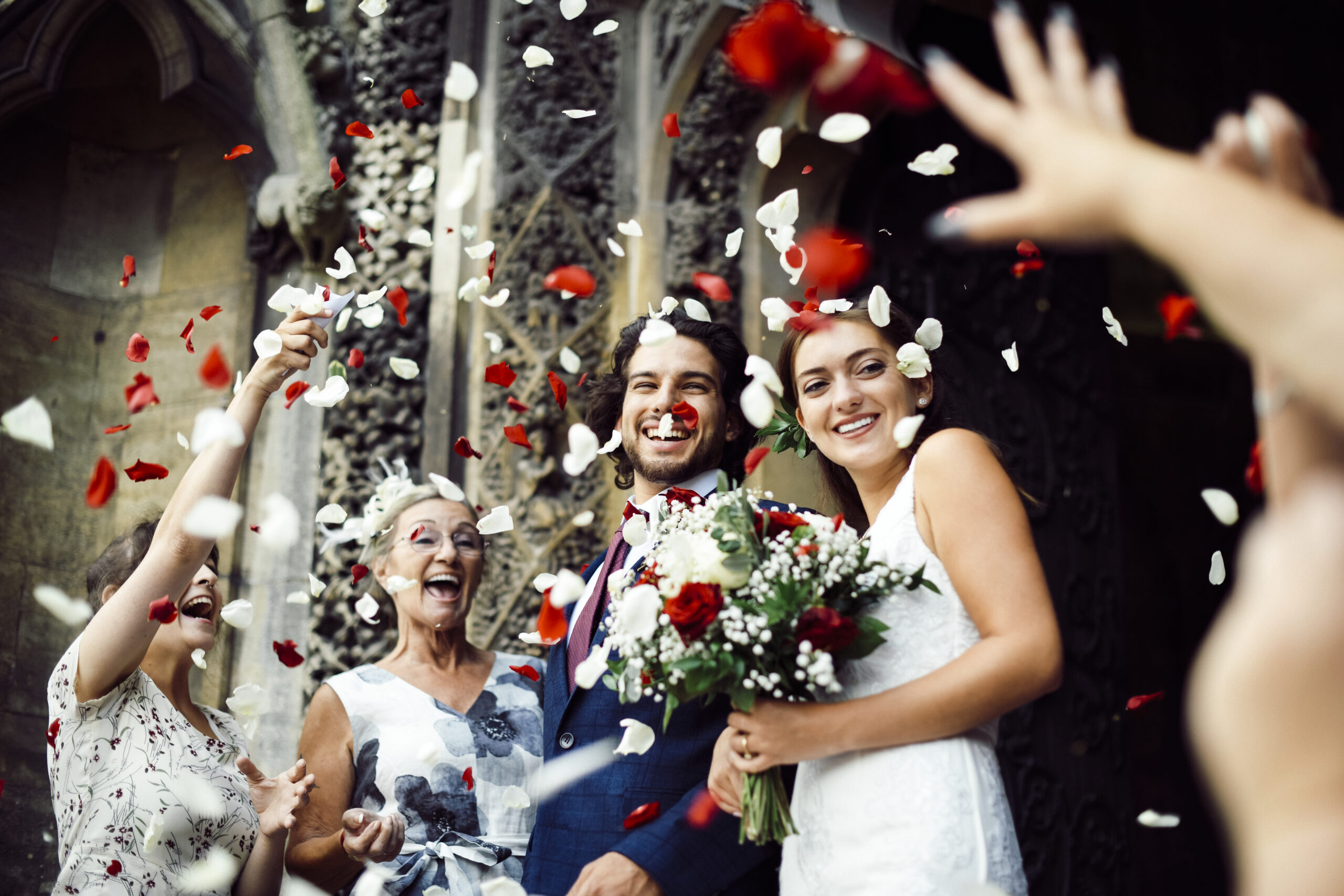
The Marriage Supper of the Lamb: What It Means for Your Christian Wedding Ceremony
Revelation 19:7-9 paints a breathtaking picture: “Let us rejoice and be glad and give him glory! For the wedding of the Lamb has come, and his bride has made herself ready.”
This isn’t poetic decoration. This is destiny. The entire story of Scripture moves toward a wedding feast—the ultimate union of Christ and His Church.
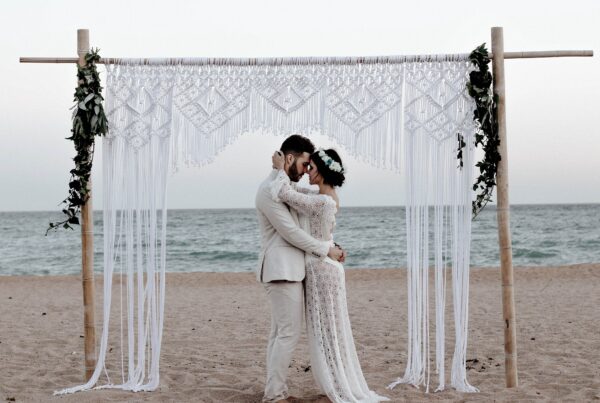
When you stand at the altar in a Christian wedding ceremony, you’re not just participating in a tradition. You’re acting out the gospel. The groom who waits with anticipation. The bride of Christ who has prepared herself. The marriage covenant sealed before witnesses. The feast that follows.
This is why the biblical meaning of marriage goes so much deeper than culture acknowledges. Every element of a traditional Christian wedding ceremony—from the white dress symbolizing purity to the exchange of rings representing eternal commitment—echoes the relationship between Jesus and His people.
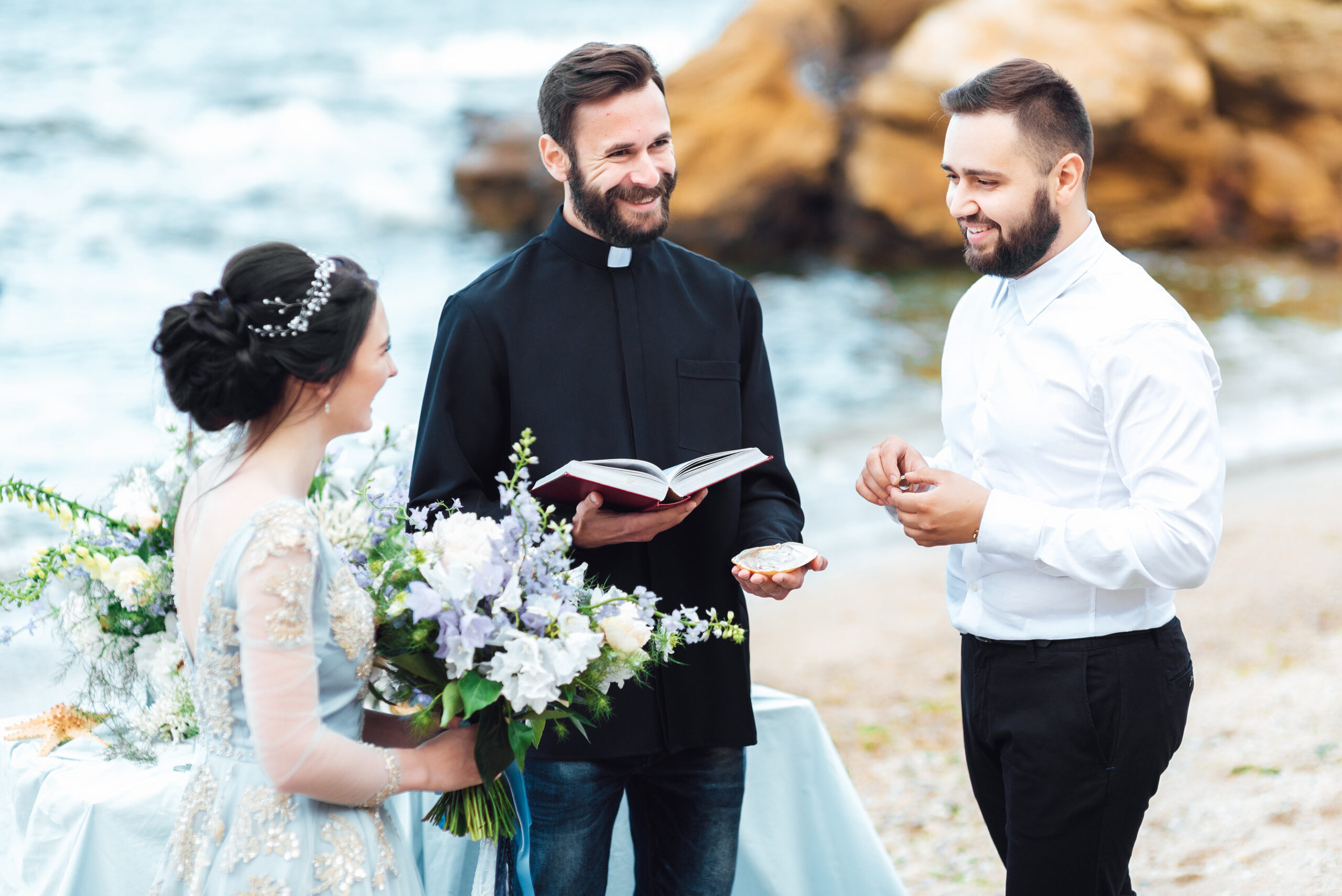
Why Have a Christian Wedding Ceremony? The Biblical Case for Celebrating Marriage
Some ask, “If we’re already one in the eyes of God, why do we need the ceremony? Why spend the money? Why gather the people?”
Here’s why a Christian wedding ceremony matters.
Weddings Are Declarations
When Israel crossed the Jordan into the Promised Land, God commanded them to stack twelve stones as a memorial. Why? So that when children asked, “What do these stones mean?” there would be a story to tell.
Your Christian wedding ceremony is a stack of stones. It marks the moment. It gives testimony.
Weddings Are Covenants Made Public
There’s something that shifts when you speak vows aloud before witnesses. R.C. Sproul wrote that every biblical covenant is undertaken in the presence of witnesses—this is why we invite guests to our weddings, so they will witness our vows and hold us accountable.
The community becomes accountable to support what they’ve witnessed. The couple becomes accountable to what they’ve declared. Secret commitments carry different weight than public ones.
Weddings Honor What God Created
In Genesis 2, God himself performed the first wedding, presenting Eve to Adam. Jesus chose a wedding in Cana for His first miracle. Marriage is ordained by God—not a human invention we’ve baptized with religious language, but a divine design we’ve been invited to participate in.
The three C’s of biblical marriage—Ceremony, Covenant, and Consummation—reflect God’s intention from the beginning.
I am text block. Click edit button to change this text. Lorem ipsum dolor sit amet, consectetur adipiscing elit. Ut elit tellus, luctus nec ullamcorper mattis, pulvinar dapibus leo.
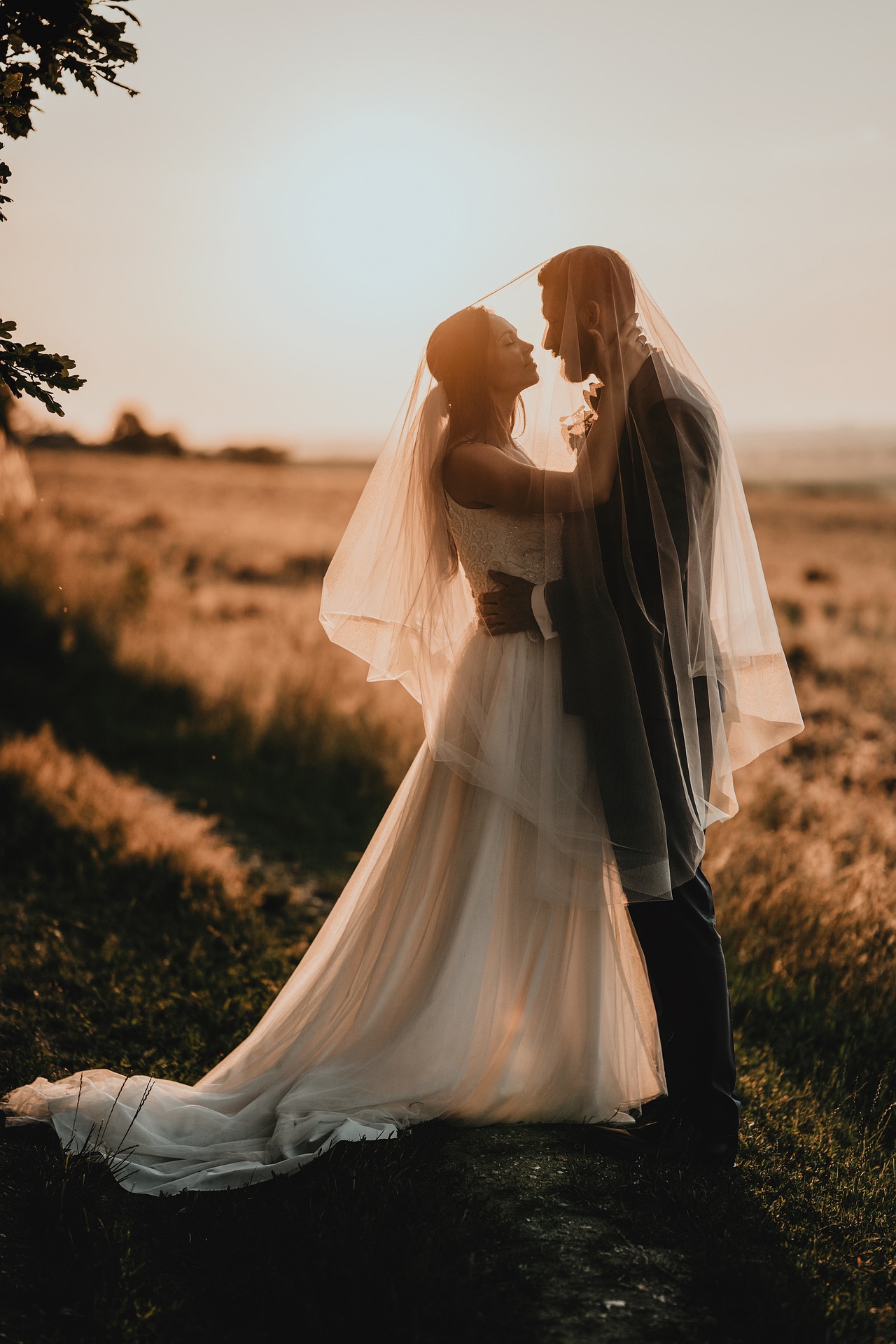
Big or Small: What Makes a Christian Wedding Ceremony Meaningful?
The size of your Christian wedding ceremony doesn’t determine its significance. What matters is the substance.
A ceremony with ten people gathered in a backyard can carry the same eternal weight as a ceremony with three hundred in a grand venue. The flowers will wilt. The cake will be eaten. The dress will be stored away. But the marriage vows? The covenant endures.
What transforms a Christian wedding ceremony from mere event to sacred moment is intentionality:
- Are you acknowledging Christ as the foundation of your marriage?
- Are you making vows that reflect His faithfulness?
- Are you inviting others not just to watch, but to witness—to hold you accountable and to celebrate what God is joining?
Whether you’re planning a simple church wedding or an elaborate celebration, the spiritual reality remains the same.
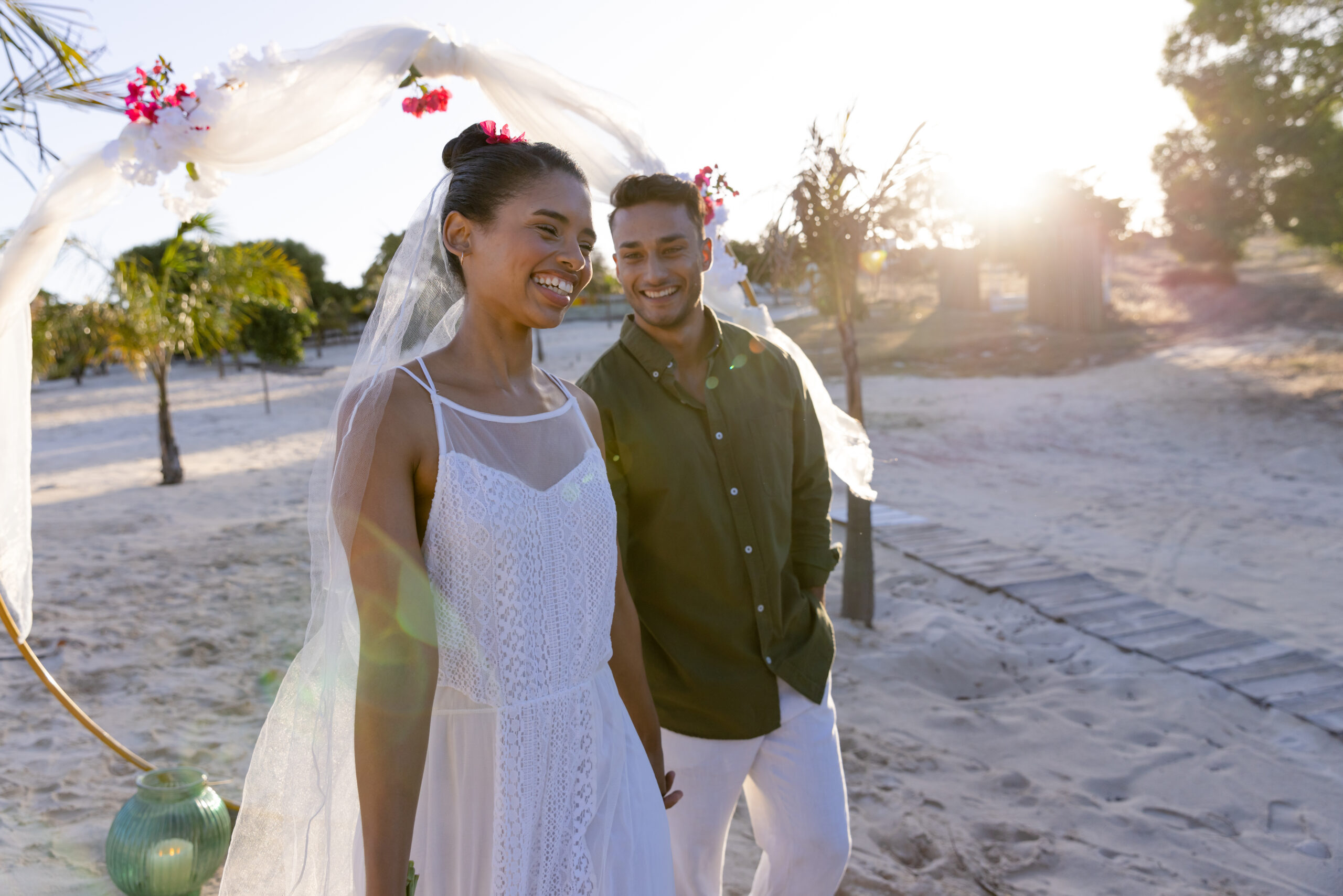
Your Christian Wedding Ceremony Is a Rehearsal for Glory
Every time I officiate a wedding, I’m aware that we’re rehearsing for a greater day. The nervous anticipation. The joy when bride and groom finally see each other. The feast that follows the vows.
One day, there will be a wedding where no marriage will ever struggle. No vow will ever be tested by hardship. No “till death do us part” because death itself will be gone.
That wedding feast is coming. And every Christian wedding ceremony now is a signpost pointing toward it.
So whether you’re planning something elaborate or something simple, plan it with reverence. You’re not just getting married. You’re preaching a sermon without words. You’re telling the oldest and truest love story—the one where the King leaves His throne to pursue His Bride and bring her home.
The marriage supper of the Lamb is coming. Until then, every covenant made in His name echoes that promise.
Scripture References for Your Wedding Planning
Here are key passages to consider as you plan your ceremony or reflect on the meaning of Christian marriage:
- Genesis 2:24 – “Therefore a man shall leave his father and his mother and hold fast to his wife, and they shall become one flesh.”
- Ephesians 5:25-27 – Christ’s love for the church as a model for husbands
- 1 Corinthians 13:4-7 – The nature of love
- Revelation 19:7-9 – The marriage supper of the Lamb
- John 2:1-11 – Jesus’ first miracle at the wedding in Cana
- Malachi 2:14 – God as witness to the marriage covenant
- Matthew 19:4-6 – “What God has joined together, let no one separate”
Frequently Asked Questions About Christian Wedding Ceremonies
These are real questions people are asking about Christian wedding ceremonies, biblical marriage, and the wedding feast of the Lamb.
What is the marriage supper of the Lamb?
The marriage supper of the Lamb is a prophetic event described in Revelation 19:7-9 where Jesus Christ (the Lamb) is united with His Bride (the Church) in a glorious celebration. The Church on earth today is “betrothed” to Christ, and like the wise virgins in the parable, all believers should be watching and waiting for the appearance of the Bridegroom. This feast represents the ultimate fulfillment of God’s redemptive plan—the eternal union between Christ and those He died to save.
Does the Bible require a Christian wedding ceremony?
While a wedding ceremony is not prescribed in the Scriptures, we most definitely see it described and illustrated in several places. A wedding was very much a community and social event. Jesus attended the wedding at Cana and performed His first miracle there (John 2). The Bible teaches that marriage involves a covenant, and biblical covenants were always made in the presence of witnesses. Scripture does not prescribe specific elements for a Christian wedding ceremony, but it does record such wedding events and honors the institution of marriage throughout.
What constitutes a biblical marriage?
Biblical scholars point to three key elements that constitute a marriage in God’s eyes: Ceremony, Covenant, and Consummation. The ceremony involves public declaration, the covenant involves vows and promises made before God and witnesses, and consummation seals the “one flesh” union described in Genesis 2:24.
Why is marriage important in Christianity?
Marriage is a gift from God, designed to reflect the relationship between Christ and the church. In the Bible, marriage is portrayed as a sacred covenant, not merely a social contract. The purpose of Christian marriage extends beyond companionship—it’s meant to glorify God, display the gospel to the world, and help both partners grow in holiness. Marriage is very helpful for the one trying to live a godly life; it helps to scrub the heart clean of selfishness and other impurities.
Do Christians have to get married in a church?
We are the church, so true believers always get married “in” the church no matter the location of the Christian wedding ceremony. Weddings performed in a church setting, however, have a special nature about them because it’s where the church gathers every week to worship the Lord. The location matters less than the hearts of the couple as they come before God to pledge their love and loyalty. What’s most important is that the marriage honors God and is witnessed by others who can hold the couple accountable.
What is the purpose of wedding vows?
The traditional Christian wedding ceremony involves the making of a covenant. The whole idea of covenant is deeply rooted in biblical Christianity. Every covenant is undertaken in the presence of witnesses. This is why we invite guests to our weddings—so they will witness our vows and hold us accountable to keep them. Wedding vows publicly declare the couple’s commitment before God and community, transforming private feelings into public accountability.
Why did Jesus perform His first miracle at a wedding?
Jesus chose a wedding in Cana of Galilee (John 2:1-11) to reveal His glory for the first time. This wasn’t accidental. Because we lack the understanding of an ancient Jewish audience, we miss out on some beautiful aspects of the wedding metaphor in the New Testament. By performing this miracle at a wedding feast, Jesus honored the institution of marriage and foreshadowed the ultimate wedding feast to come—the marriage supper of the Lamb where He will be united with His Bride forever.
What does the white wedding dress symbolize?
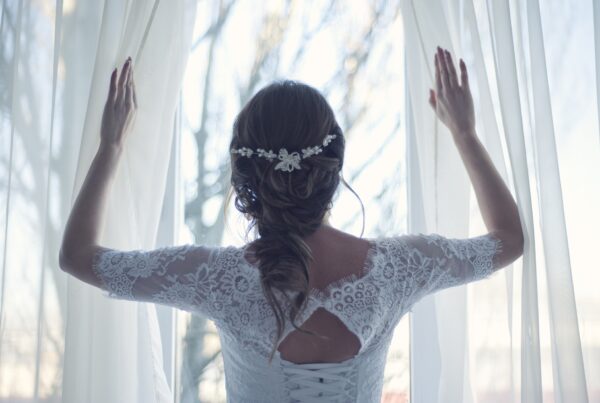
The white wedding dress has deep biblical roots. Revelation 19:6-8 reads: “Hallelujah! For our Lord God Almighty reigns. Let us rejoice and be glad and give him glory! For the wedding of the Lamb has come, and his bride has made herself ready. Fine linen, bright and clean, was given her to wear.” The white dress in a Christian wedding ceremony symbolizes purity, righteousness, and the bride’s reverence for God—mirroring how the Church will one day be presented to Christ.
How does earthly marriage reflect Christ and the Church?
Marriage is a small glimpse of Christ’s intimate, loving relationship with His bride, the church (Ephesians 5:31–32). The groom’s role of sacrificial leadership mirrors how Christ loved the Church and gave Himself for her. The bride’s preparation mirrors the Church making herself ready for the Bridegroom. Every element of a Christian wedding ceremony—from the vows to the feast—tells the story of redemption.
Is it okay to have a small Christian wedding ceremony?
Absolutely. The significance of a Christian wedding ceremony isn’t determined by its size but by its substance. Whether ten people or three hundred attend, what matters is that the couple is making a covenant before God, declaring their commitment publicly, and inviting others to witness and support their union. Both intimate ceremonies and large celebrations can honor God equally when approached with reverence and intentionality.
Ready to Build a Marriage That Honors God?
Your wedding day is just the beginning. At Marriage Made Whole Ministries, Chaplain Anthony Cox is passionate about helping couples build marriages that honor God and stand the test of time.
Marriage Encouragement & Resources
Visit Marriage Made Whole for ongoing encouragement, biblical teaching on marriage, and practical tools to strengthen your relationship—whether you’re engaged, newlywed, or celebrating decades together.
Need Prayer?
If you’re engaged, newlywed, or navigating a difficult season in your marriage, you don’t have to walk alone. Submit a prayer request and Chaplain Cox will personally pray over your situation.
Scripture References for Your Christian Wedding Ceremony
Here are key passages to consider as you plan your ceremony or reflect on the meaning of Christian marriage:
- Genesis 2:24 – “Therefore a man shall leave his father and his mother and hold fast to his wife, and they shall become one flesh.”
- Ephesians 5:25-27 – Christ’s love for the church as a model for husbands
- 1 Corinthians 13:4-7 – The nature of love
- Revelation 19:7-9 – The marriage supper of the Lamb
- John 2:1-11 – Jesus’ first miracle at the wedding in Cana
- Malachi 2:14 – God as witness to the marriage covenant
- Matthew 19:4-6 – “What God has joined together, let no one separate”
About the Author: Chaplain Anthony Cox is an ordained Deacon Minister and founder of Marriage Made Whole Ministries. He is passionate about marriage encouragement, helping couples build homes that honor God from the altar to everyday life.
Need Prayer?
If you’re engaged, newlywed, or navigating a difficult season in your marriage, you don’t have to walk alone. Submit a prayer request and Chaplain Cox will personally pray over your situation.